How Much Does Roof Replacement Cost in Succasunna, NJ?
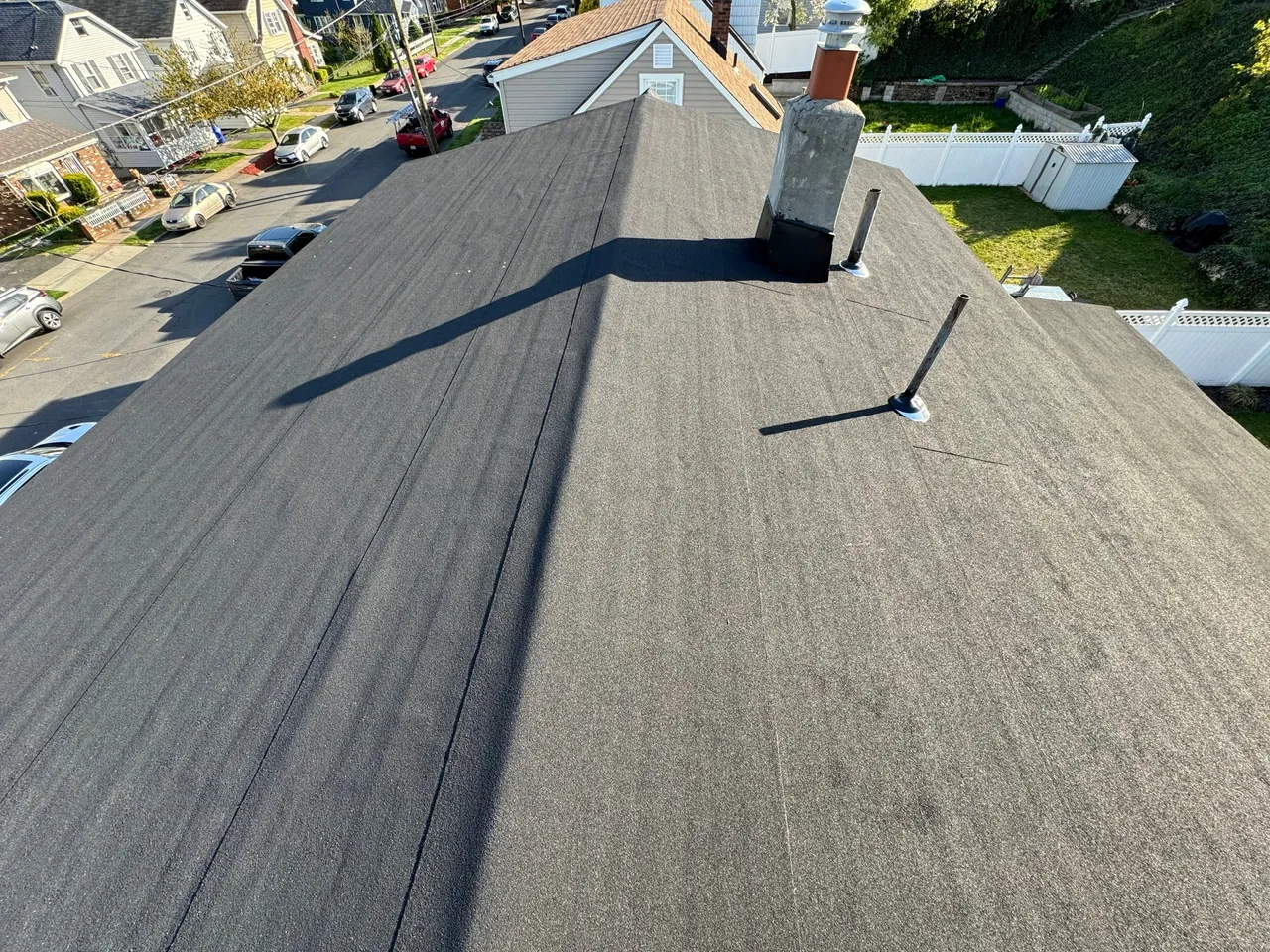
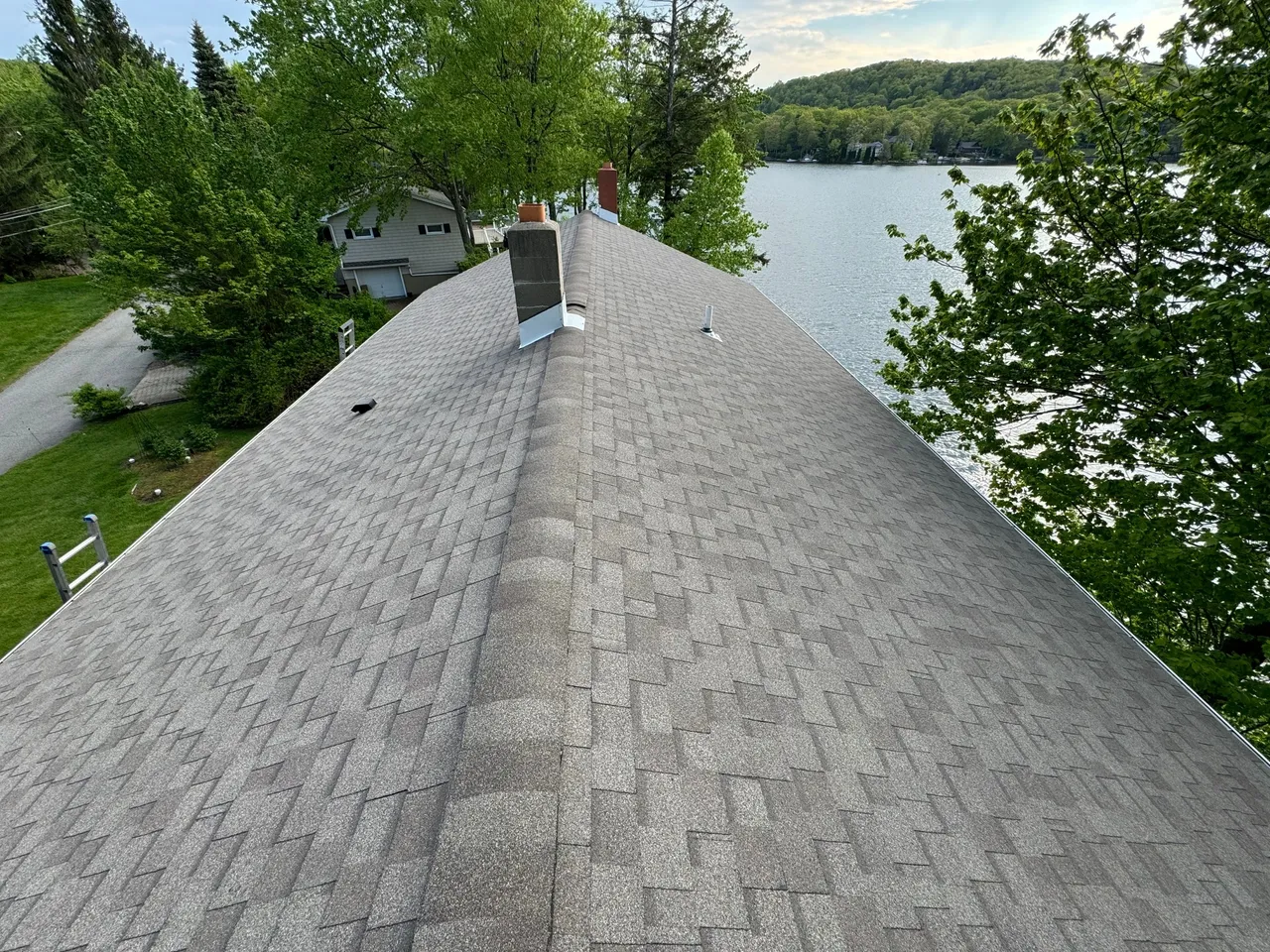
If you are pricing a new roof in Succasunna, the short answer is that most homeowners land somewhere between roughly $9,000 and $25,000 for a full replacement, with some projects coming in lower and some climbing well above that. That is a broad range, but roof pricing is shaped by details that matter more than many people expect: house size, roof pitch, number of layers to tear off, shingle grade, flashing work, ventilation upgrades, chimney conditions, plywood replacement, and disposal costs.
In Morris County, and especially in established neighborhoods around Succasunna, roofs are rarely simple rectangles. You see colonials with intersecting roof lines, ranch homes with attached garages, dormers added years after the original build, and older flashing details that were acceptable decades ago but would not pass a careful replacement today. Those details are exactly why one contractor quotes $11,500 and another quotes $18,900 for what sounds like the same job.
A realistic article about roof cost has to go beyond a single average. Homeowners do not buy “a roof” in the abstract. They buy labor, materials, waterproofing details, debris handling, warranty coverage, and the judgment of the crew installing it. In practical terms, that means the cheapest proposal is not always a bargain, and the highest proposal is not automatically premium work either.
What homeowners in Succasunna usually pay
For a typical asphalt shingle roof replacement in Succasunna, NJ, many single-family homes fall into a few broad pricing bands. A smaller, straightforward ranch or cape with easy access and modest roof complexity may come in around $9,000 to $14,000. A mid-sized colonial often lands in the $13,000 to $20,000 range. Larger homes, steeper roofs, or houses with complicated valleys, dormers, skylights, and heavier repair needs can push into the $20,000 to $30,000 range or more.
That range assumes a full replacement rather than a small repair. It also assumes architectural asphalt shingles, which remain the most common choice in this area because they balance cost, appearance, and weather performance reasonably well.
If you move beyond standard architectural shingles, costs rise fast. Designer shingles, synthetic slate, cedar, standing seam metal, and true slate are different categories entirely. A standing seam metal roof in this market can easily run two to three times the cost of a standard shingle roof. Real slate is often in a class of its own.
One thing I have seen repeatedly is homeowners comparing their roof to a neighbor’s and expecting the same number. That rarely works. Two homes on the same street may have similar square footage but very different roof geometry. The one with more hips, valleys, and penetrations almost always costs more to replace because it takes more material, more labor, and more precision.
Why pricing varies so much from one house to the next
Roofing estimates are built around roof squares, not interior square footage. One square equals 100 square feet of roof surface. A 2,000 square foot home does not necessarily have a 2,000 square foot roof. Pitch increases surface area. Overhangs add area. Attached garages and porches count too.
In Succasunna, the biggest price variables usually come down to the following:
- roof size and pitch
- tear-off complexity and number of old layers
- material quality and manufacturer system
- flashing, ventilation, and decking repairs
- access, cleanup, and disposal
A low-slope, walkable roof is simpler and faster to replace than a steep roof that requires extra safety setup, staging, and slower production. Tear-off costs also rise if the house has two layers of old shingles. That extra layer adds labor, debris weight, and dump fees. New Jersey disposal costs are not trivial, and they show up in the final number whether they are broken out clearly or buried in a lump sum.
Then there is the hidden condition issue. Homeowners often assume the quote covers everything. Most quotes cover a defined amount of work plus allowances for certain unknowns. If the crew removes old shingles and finds soft or rotten plywood around eaves, valleys, or bathroom vents, that decking needs replacement before the new roof goes on. On some houses, it is a few sheets. On others, especially where leaks were ignored for years, it becomes a meaningful add-on.
A closer look at common price ranges by roof type
Asphalt shingles dominate the Roof Replacement Succasunna, NJ market for good reason. They are practical, available in many colors, and familiar to most crews. A quality architectural shingle roof on a standard house often offers the best value per dollar spent.
Three-tab shingles, where available, can be cheaper upfront, but they are usually not the best long-term play for this region. Weather resistance, appearance, and lifespan tend to favor architectural products. Many contractors do not even recommend three-tab anymore unless the job is heavily budget-driven.
Architectural asphalt shingles commonly run from the low teens into the twenties for full replacement, depending on project size and scope. Premium designer shingles can bump the project several thousand dollars higher.
Metal roofing is attractive to homeowners who want longevity and a clean appearance, but the entry price is substantially higher. On a moderately sized house, a metal roof can start around the mid-twenties and move upward fast depending on panel type, trim detail, and substrate conditions. It is not unusual for a standing seam proposal to surprise homeowners who expected a modest premium over shingles. It is usually much more than that.
Slate and cedar are specialty products. Some homes in northern New Jersey carry those materials beautifully, but they involve a different level of craftsmanship and structural consideration. Anyone comparing them to asphalt should know they are not shopping in the same pricing universe.
The materials line item is only part of the story
A roof replacement estimate may look material-heavy, but labor and detail work are often where quality lives or dies. Almost any roof can look decent from the curb on day one. The difference shows up after several freeze-thaw cycles, wind-driven rain, and a few summers of attic heat.
The underlayment matters. Ice and water protection matters. Starter shingles matter. Pipe boot quality matters. Valley treatment matters. Flashing around walls and chimneys matters a lot. If a quote is dramatically lower than the others, it is worth asking exactly what is being omitted or downgraded.
A common example involves chimney flashing. Some estimates assume simple reuse of existing step flashing and a basic sealant touch-up. Others include new step flashing, counterflashing work, and replacement of compromised mortar joints if needed. Those are not equivalent scopes, and the cost difference can be significant.
Ventilation is another area where quotes often drift apart. A proper replacement should evaluate intake and exhaust, not just nail on new shingles. If your attic traps heat and moisture, your new roof can age poorly even if the shingles themselves are high quality. Adding or correcting ridge vent, soffit intake, or other ventilation components can raise the initial estimate, but it often improves roof performance and attic conditions.
What a contractor is usually pricing into the job
Most full replacement quotes in Succasunna include tear-off of old shingles, underlayment, ice and water membrane in vulnerable areas, new shingles, ridge cap, flashing components, cleanup, and debris disposal. Beyond that, details vary more than homeowners expect.
Some contractors include permit handling if required. Some leave it to the homeowner or list it separately. Some include a magnet sweep and property protection measures in writing. Some simply assume those are understood. Better estimates tend to be more specific.
This is where reading past the final number matters. Two proposals that differ by $4,000 may reflect major scope differences rather than markup alone.
Items that often create surprise add-on costs
- plywood or board sheathing replacement
- chimney flashing rebuilds or masonry corrections
- skylight replacement during reroofing
- gutter detachment and reset where necessary
- structural corrections around sagging areas
I have seen more than one homeowner blindsided by decking charges because they assumed “replace the roof” meant every damaged substrate issue was already included. In reality, many contractors quote wood replacement per sheet because they cannot see the true condition until the tear-off begins. That is reasonable, but it should be discussed before the job starts, not after the plywood is already exposed.
Succasunna weather plays a real role in roof decisions
Roofs in Succasunna deal with a mix of snow load, ice potential, wind, heavy rain, humid summers, and the normal aging that comes from four true seasons. That climate tends to reward solid waterproofing details more than flashy upgrades.
Ice dam protection is especially relevant in this region. Roof edges and valleys can be vulnerable, particularly on older homes with uneven attic insulation or poor ventilation. A contractor who recommends robust ice and water protection is not upselling for the sake of it. In many cases, that is one of the smartest dollars in the whole estimate.
Storm damage also complicates the cost discussion. Sometimes homeowners think they need a full replacement when they may be dealing with repairable wind damage. Other times they hope for a repair when the shingles are too brittle, mismatched, or worn to justify patchwork. A reputable roofer should be able to explain which camp your roof falls into and why.
Labor costs in northern New Jersey are not bargain-basement
One reason roof replacement in Succasunna costs more than some national online averages is simple: local operating costs are higher. Insurance, trucks, wages, fuel, dump fees, permits, and overhead all feed into pricing. A contractor who is fully insured and using trained crews is carrying real expenses. That does not make every high quote justified, but it does explain why internet averages often feel detached from what homeowners actually see in Morris County.
There is also a seasonal factor. Roofing companies are busiest from late spring through fall, and schedules can tighten after major storm periods. Pricing does not always spike dramatically in peak season, but availability changes. If a leak is active in October and several weeks of wet weather are coming, homeowners sometimes lose negotiating leverage because timing becomes urgent.
Repair versus replacement, where is the line?
This is where experience matters more than formulas. If a roof is under 12 to 15 years old and the problem is isolated, repair may be sensible. If the roof is pushing 20 Roof Replacement Succasunna, NJ years or more, showing broad granule loss, brittle shingles, exposed fiberglass, curling edges, recurring leaks, or multiple prior repairs, replacement usually becomes the better financial decision.
A common local scenario is the homeowner who spends $1,200 on a leak repair, then $900 on another issue the next year, then gets told the roof should have been replaced in the first place. That is not always avoidable, but it happens often enough to be worth mentioning. Money spent on a failing roof can vanish quickly if the underlying system is already at the end of its life.
If you plan to sell soon, replacement can still make sense, but only if the roof condition would otherwise affect negotiations, financing, or inspection outcomes. Buyers and home inspectors notice aging roofs immediately. Even when a seller does not recover every dollar, a new roof can remove a major objection and keep a sale moving.
How to compare estimates without getting fooled
The homeowner’s challenge is not finding a number. It is comparing numbers that may look similar but mean different things. A useful estimate should be specific enough that you can understand what you are buying.
Look for the shingle brand and product line, underlayment type, ice barrier scope, flashing approach, ventilation plan, cleanup process, wood replacement terms, warranty details, and payment schedule. If those are vague, ask questions. A professional contractor should be able to answer them clearly.
Pay close attention to unusually low quotes. Sometimes they come from lean operators with low overhead and solid crews. More often, they come from omitted detail work, weak insurance coverage, reused flashings, thin cleanup practices, or unstable business practices. A roof is one of the most expensive exterior systems on your house. It is not where you want ambiguity.
One detail homeowners appreciate only after the fact is jobsite discipline. The best crews protect landscaping, keep debris under control, and leave the property cleaner than expected. That effort costs money, but it matters, especially on tighter suburban lots.
Insurance, financing, and timing
Homeowners insurance may help if roof replacement is tied to covered storm damage, but it generally does not pay for simple old age or wear and tear. If your roof failed because it is 24 years old and deteriorated naturally, that is usually a maintenance issue, not an insurance claim. If a wind event creased or tore shingles recently, the conversation can be different.
Financing is now common in roofing. Some homeowners use it strategically even when they have cash, especially if they want to handle the roof along with gutters, insulation improvements, or skylight replacement. That said, financing changes the true cost of the project once interest is included, so it is worth evaluating the monthly payment against the long-term total.
Timing matters too. If your roof still has some life left, getting quotes before an emergency gives you room to compare carefully. If water is entering the attic during every major rain, the decision becomes compressed, and rushed decisions tend to be more expensive.
What a realistic sample project might look like
Take a straightforward colonial in Succasunna with an attached two-car garage, one chimney, two bathroom vents, and aging architectural shingles. The roof has one existing layer, average pitch, and decent access from the driveway. A fair replacement quote might land around $14,000 to $18,000, assuming standard architectural shingles, modern underlayment, ice and water protection in key areas, ridge vent work, and normal cleanup.
Now change a few variables. Add steep rear sections, a couple of skylights, signs of chimney flashing failure, and six sheets of bad plywood discovered during tear-off. Suddenly the same house can move past $20,000 without anyone inflating the numbers unfairly. The work scope is simply more demanding.
On the other end, a small ranch with simple lines and no major substrate damage may fall under $12,000 with a reputable installer, though homeowners should be cautious if a quote comes in dramatically below the local norm.
Questions worth asking before you sign
A good roofing conversation should feel specific, not salesy. Ask who will supervise the project, whether the crew is employees or subcontractors, how property protection is handled, how wood replacement is billed, and what happens if flashing or ventilation issues are uncovered mid-job. Ask how long the project should take in normal weather and what warranty covers workmanship versus material defects.
Also ask whether the estimate accounts for local code expectations as they apply to the job. Roofing is not just cosmetic. It is a water management system, and the details need to hold up to both weather and inspection standards where applicable.
If you are gathering multiple quotes for Roof Replacement Succasunna, NJ, try to keep the scope comparable. If one contractor is quoting premium shingles with upgraded waterproofing and another is pricing a stripped-down install, the final numbers are not truly competing bids.
The smartest way to budget for a new roof
The best budgeting approach is to assume the base quote may not be the final number. For planning purposes, many homeowners do well to hold an extra 10 percent to 15 percent for contingencies, especially on older homes. That buffer can absorb plywood replacement, flashing upgrades, or ventilation corrections without turning the project into a financial scramble.
It also helps to think in terms of annual value, not just sticker price. A roof that costs several thousand more but lasts longer, leaks less, and carries a stronger workmanship standard can be the cheaper roof over time. The opposite is also true. Paying top dollar does not guarantee top quality unless the installer’s process and reputation support it.
For most homeowners in Succasunna, a professionally installed architectural shingle roof from a reputable local contractor is the practical middle path. It is not the cheapest option available, and it is not the most luxurious. It is usually the choice that balances cost, durability, curb appeal, and resale confidence.
A new roof is expensive, but water damage is worse. If your current roof is near the end of its service life, the right time to get serious estimates is before stains show up on the ceiling and before every forecast becomes a source of anxiety. In this market, careful comparison and realistic expectations go a long way. The number on the proposal matters, but the scope behind it matters more.
Royalty Exteriors
151 NJ-10 Suite 103A, Succasunna, NJ 07876, United States
+1 973-333-7234
FAQ About Roof Replacement Succasunna, NJ
What are signs a roof needs replacing?
Widespread shingle deterioration, repeated leaks, or damaged decking can point to a larger problem. A roofer can inspect the roof covering, flashing, and deck to determine whether the damage is localized or whether replacement makes more sense.
How long does it take to reroof a 2000 square foot house?
Royalty Exteriors estimates one to three days for many single-family roof replacements. A house’s floor area does not tell you the actual roof area. Pitch, roof features, weather, and any decking repairs can change the schedule.
How long should a roof last in NJ?
There is no single lifespan for every roof. Material, installation quality, attic ventilation, maintenance, and exposure to storms all affect how long a roof remains serviceable. An inspection can help you assess its condition and plan for replacement.