How to Choose the Best Shingles for Roof Replacement in Succasunna, NJ
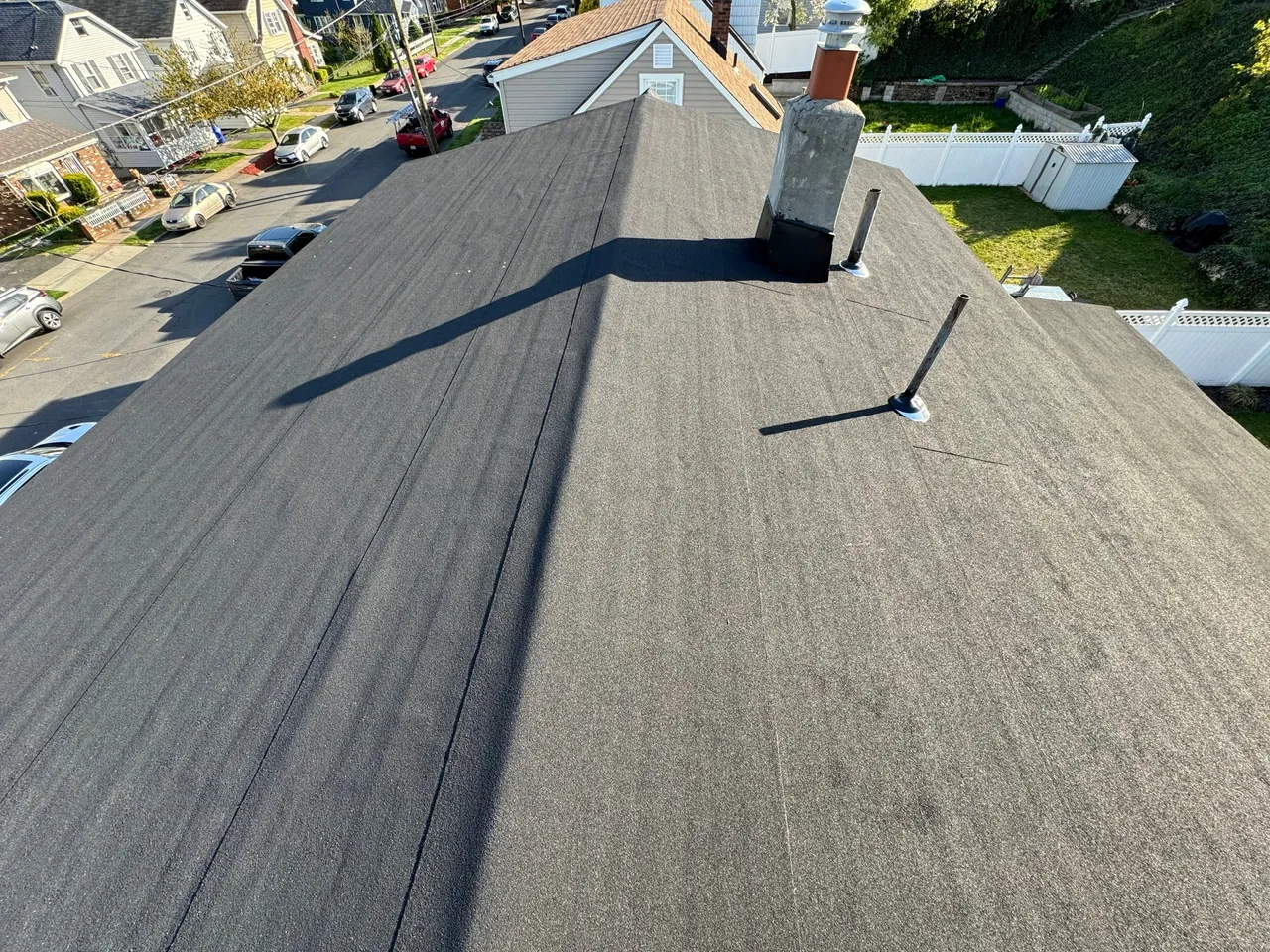
A roof replacement is one of those projects that looks straightforward from the street and becomes far more nuanced the moment you start comparing materials. Most homeowners begin with color and price. Both matter, but neither tells you how the roof will perform through Morris County winters, humid summer stretches, wind-driven rain, or the freeze-thaw cycles that quietly punish a roof year after year.
If you are planning a Roof Replacement Succasunna, NJ, the best shingle is not simply the most expensive option or the one with the longest warranty printed on the brochure. The right choice depends on your roof’s pitch, sun exposure, attic ventilation, the age and style of the house, and how long you expect to stay in it. I have seen homeowners spend more than they needed to on premium products that were mismatched to the home, and I have seen others save a little upfront only to regret it after a few rough seasons.
Choosing wisely starts with understanding what shingles actually do. They are not the whole roofing system, but they are the part that takes the weather first. Their job is to shed water, resist wind uplift, tolerate temperature swings, and hold up visually over time. In New Jersey, that combination matters.
What makes Succasunna roofs different
Succasunna homes deal with a little bit of everything. Snow loads can be significant in the winter. Ice dams are not rare on poorly ventilated roofs or roofs with uneven heat loss. Spring and summer storms can bring strong wind gusts, heavy rain, and hail. Then there is the long, less dramatic wear that comes from ultraviolet exposure, humidity, and organic growth in shaded areas.
That local weather mix changes the way I think about shingles. In a drier, warmer climate, a basic three-tab shingle might survive acceptably for years. In northern New Jersey, roof systems get tested harder. Architectural asphalt shingles tend to make more sense for many homes because they are thicker, more dimensionally stable, and usually rated for stronger wind performance than entry-level products.
Tree cover also matters in Succasunna neighborhoods. Plenty of homes sit under mature shade trees, which can be a blessing in summer and a headache for roofs. Shade slows drying after rain or snow melt. That creates favorable conditions for algae streaking, moss in some cases, and premature surface wear if debris accumulates in valleys and at lower roof sections. A shingle that performs beautifully on a sunny, open lot may look tired much faster under heavy shade.
Start with the shingle category, not the color
Homeowners often get shown sample boards full of attractive colors before anyone explains the practical differences between shingle types. That is backwards. First narrow the category. Then choose the look.
The main options for most homes in Succasunna are basic three-tab asphalt shingles, architectural shingles, and designer or luxury asphalt shingles. Three-tab shingles still exist, but they are increasingly a budget-driven choice rather than a performance-driven one. They can work, but they usually offer less thickness, less dimensionality, and lower wind ratings than architectural products.
Architectural shingles are the default recommendation on many roof replacements because they strike a strong balance between cost, performance, and appearance. They have more body, often seal better in variable weather, and hold up better visually over time. On most suburban homes, they also look more substantial, which matters if you are spending serious money on a roof and want the finished result to match the value of the house.
Designer shingles are aimed at homeowners who want a higher-end look, sometimes imitating slate or wood shake. Some perform very well, but they are not automatically the best choice. Weight, cost, roof structure, and house style all need to line up. A luxury shingle on a modest ranch can look out of place just as easily as a cheap roof can make a handsome colonial feel unfinished.
Why wind rating deserves more attention than it gets
When homeowners compare estimates, I rarely hear wind rating come up early in the conversation, yet it should. Wind does not have to be dramatic enough to tear half a roof off to do damage. Repeated gusts can stress seal strips, catch vulnerable edges, and loosen shingles over time, especially on older roofs or roofs with installation shortcuts.
Architectural shingles often carry better wind warranties than basic products, but the fine print matters. A manufacturer may advertise a high wind rating, but that performance can depend on very specific installation methods, starter products, ridge components, and the number of nails used per shingle. If an installer cuts corners, the paper warranty may not mean much when the next hard storm rolls through.
On homes with exposed locations, broad rear slopes, or frequent gusts crossing open areas, paying attention to wind performance is worthwhile. I have walked roofs where the visible field shingles looked acceptable from the ground, yet tabs at rakes and ridges had started to lift or crease. Once that process begins, replacement becomes a matter of when, not if.
Impact resistance can be worth the premium
Hail is unpredictable in New Jersey, but not uncommon enough to dismiss. Impact-resistant shingles are not right for every homeowner, though they are worth considering if you plan to stay in the house a long time or want added resilience during storm season.
The important thing is to keep expectations realistic. An impact-resistant shingle is not hail-proof. It is designed to withstand impacts better than a standard shingle, reducing the odds of bruising, granule loss, or fractures. That can mean fewer repairs and better long-term durability. On some policies and in some situations, insurers may recognize certain impact-rated products, though homeowners should always confirm directly with their carrier rather than assume a discount exists.
This is one area where a little extra money can make sense if the roof already has several risk factors, such as mature trees overhead, exposure to storm paths, or a history of hail in the broader area.
Color affects more than curb appeal
Color is never just cosmetic. On a practical level, darker shingles absorb more heat, while lighter colors reflect more sunlight. The real-world difference on energy bills is often smaller than marketing suggests, especially in homes with decent attic insulation and ventilation, but color still affects roof temperature and aging.
In Succasunna, most homeowners lean toward weathered wood, charcoal, driftwood, slate gray, or brown blends because they work well with siding, brick, and stone commonly found in the area. Those are safe choices, but not all blended colors age the same way visually. Some high-contrast blends look striking on day one and busy a few years later. Others hide minor staining Roof Replacement Succasunna, NJ Royalty Exteriors and debris much better.
A practical approach is to view full-size samples outdoors, not under showroom lighting. Morning and late afternoon light can completely change how a shingle reads against beige siding, red brick, or white trim. I have seen homeowners choose a shingle that looked warm gray in the sample book and turned noticeably brown on the roof. Once installed, that is an expensive surprise.
Algae resistance matters in shaded neighborhoods
Black streaks on roofs are often blamed on dirt, but they are commonly caused by algae. In neighborhoods with trees and lingering moisture, algae-resistant shingles are a smart upgrade. They do not guarantee a perfectly clean-looking roof forever, but they can slow the appearance of staining and extend the roof’s tidy appearance.
This matters more than people think. A roof that is still structurally sound can look prematurely old if algae streaking shows up early. That drags down curb appeal and makes the whole house feel less well maintained. On homes preparing for resale within a few years, appearance has direct value.
If the house sits under significant tree cover, keep your expectations grounded. Even good algae-resistant shingles benefit from routine roof and gutter maintenance. Letting leaves pile up in valleys and at lower edges creates conditions no shingle can fully overcome.
The roofing system beneath the shingles is half the story
A common mistake is treating shingles as if they are the whole roof. They are only the visible outer layer. Underlayment, ice and water protection, flashing, attic ventilation, pipe boots, ridge vents, intake vents, and deck condition all affect performance just as much as the shingle brand.
I have seen premium shingles fail early because they were installed over weak ventilation. Excess attic heat can bake the roof from below in summer. In winter, warm air escaping into the attic can contribute to uneven snow melt and ice dam formation. Neither problem is solved by buying a fancier shingle.
For a Roof Replacement Succasunna, NJ, ask how the contractor plans to handle eaves, valleys, penetrations, and ventilation. If the estimate talks at length about shingle color but says little about flashing and venting, that is a red flag. Good roofers know those details determine whether the roof performs cleanly for decades or starts causing headaches much sooner.
How to weigh cost against lifespan
Roofing quotes can vary sharply, even when they appear to describe similar materials. Sometimes that difference reflects labor quality, decking repairs, ventilation upgrades, or better accessories. Sometimes it is simply markup. The challenge is figuring out which is which.
The cheapest roof is rarely the best value. Neither is the highest quote by default. A more useful way to think about it is cost per year of expected service, adjusted for the risk of repairs and the quality of installation. If one shingle costs noticeably more but plausibly gives you several additional years of dependable performance with stronger wind resistance and better appearance retention, the math may favor the upgrade.
At the same time, there is no point in buying a top-tier designer shingle if you expect to move in four years and the neighborhood will not support that added investment. Roofing should match the house, the market, and your timeline.
Here are the factors that usually deserve the most weight when comparing shingle options:
- Expected lifespan in local conditions, not just lab-style warranty language
- Wind and impact performance for your home’s exposure
- Algae resistance if the roof sees regular shade and moisture
- Color and profile compatibility with the house’s exterior
- Installer quality, because material alone does not save a poor installation
Warranties are useful, but they are not simple
Homeowners often focus on lifetime warranties because the term sounds reassuring. In practice, roofing warranties are layered and conditional. Manufacturers usually cover defects in the product itself, while contractors cover workmanship for a separate period. Those are different protections, and they fail for different reasons.
The problem is that many roof issues trace back to installation details rather than a defective shingle. Improper nailing, poor flashing, bad ventilation, or shortcuts around penetrations can all lead to leaks or premature aging. In those cases, the shingle manufacturer may not be the one paying for the fix.
That does not mean warranties are meaningless. It means they should be read realistically. A strong contractor workmanship warranty from a reputable local roofer is often more valuable in daily life than a headline-grabbing manufacturer term that has multiple exclusions.
Matching the shingle to the architecture
One of the easiest ways to make a roof replacement feel successful is to choose a shingle that suits the scale and style of the house. This is partly aesthetic, but it also influences how satisfied you feel with the investment every time you pull into the driveway.
A low-slope ranch or split-level often benefits from architectural shingles with moderate shadow lines and restrained color variation. Too much contrast can look busy because the roof occupies a large visual share of the home. Colonials, center halls, and larger two-story homes can often carry a bolder profile well, especially with brick fronts or stone accents. Homes with complex rooflines tend to show off dimensional shingles nicely because the light catches hips, valleys, and dormers.
I remember one homeowner who was determined to install a dramatic, high-contrast designer shingle on a simple home with light vinyl siding and minimal trim detail. On its own, the product looked beautiful. On that house, it would have dominated everything else. They chose a subtler architectural blend instead, and the finished roof looked more expensive because it looked appropriate.
Questions that reveal whether a roofer knows the material
Good contractors can explain why they are recommending a certain shingle for your house in plain language. They should be able to talk about slope, ventilation, flashing, exposure, and local weather without hiding behind brand slogans.
Use a short set of questions and listen to the quality of the answers:
- Why this shingle for my specific roof, not just in general?
- What wind rating applies with your actual installation method?
- How will you handle attic ventilation and ice-prone areas?
- Which accessories are required to keep the warranty intact?
- What workmanship issues do you see most often on roofs in this area?
A confident, experienced roofer usually answers directly and with detail. A weaker one tends to drift back to price, color, and whatever product line they happen to sell most heavily.
When budget is tight, where to spend and where to save
Not every roof replacement comes at a convenient time. Storm damage, active leaks, or aging shingles can force the issue before the budget is ready. In those cases, prioritizing matters.
If money is tight, I would usually protect the functional parts of the system first. Proper underlayment, ice barrier where needed, sound flashing, and ventilation are not glamorous, but they prevent the expensive failures. After that, move into the best architectural shingle you can reasonably afford rather than stretching for a luxury product that forces compromises elsewhere.
Saving a few hundred dollars by downgrading key components is often the wrong economy. On the other hand, choosing a more standard color instead of a premium blend rarely changes how the roof performs. Homeowners sometimes overspend on aesthetics and underspend on the invisible parts that keep the house dry.
A practical way to make the final choice
If you are staring at sample boards and estimates and everything starts to blur together, simplify the decision. Narrow your options to two or three architectural shingles that fit the budget and perform well for New Jersey conditions. Then compare them through the lens of your actual house.
Think about sun and shade patterns, whether the lot is exposed to wind, how visible the roof is from the street, and how long you plan to stay. Ask the roofer which option they would put on their own home if it had your exact layout and exposure. That question often cuts through the sales language fast.
For most homeowners in Succasunna, the best shingle is not the flashiest product on the market. It is the one that balances durability, weather resistance, clean appearance, and sensible cost, installed by a contractor who understands the whole roofing system. When those pieces come together, a roof replacement stops being just a necessary expense and becomes a long-term improvement you can trust every season.
Royalty Exteriors
151 NJ-10 Suite 103A, Succasunna, NJ 07876, United States
+1 973-333-7234
FAQ About Roof Replacement Succasunna, NJ
What are signs a roof needs replacing?
Widespread shingle deterioration, repeated leaks, or damaged decking can point to a larger problem. A roofer can inspect the roof covering, flashing, and deck to determine whether the damage is localized or whether replacement makes more sense.
How long does it take to reroof a 2000 square foot house?
Royalty Exteriors estimates one to three days for many single-family roof replacements. A house’s floor area does not tell you the actual roof area. Pitch, roof features, weather, and any decking repairs can change the schedule.
How long should a roof last in NJ?
There is no single lifespan for every roof. Material, installation quality, attic ventilation, maintenance, and exposure to storms all affect how long a roof remains serviceable. An inspection can help you assess its condition and plan for replacement.